The Hard Truths and Worrying Consequences of the Tornado Cash Verdict
Free Alex Pertsev poster spotted outside the courthouse (Jack Schickler/CoinDesk)
Binary trading platforms with better performance and payouts
tornado cash
Free Alex Pertsev poster spotted outside the courthouse (Jack Schickler/CoinDesk)
A bipartisan pair of U.S. senators is questioning Attorney General Merrick Garland about the “unprecedented interpretation” of law the Department of Justice (DOJ) is using to pursue cryptocurrency software services as unlicensed money-transmitting businesses.
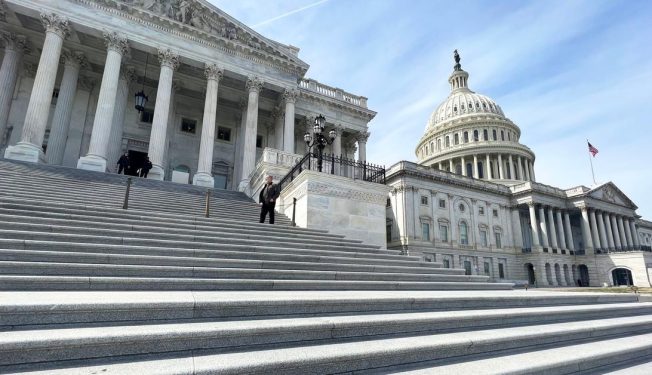
Several Democrats on the House Financial Services Committee have a bill coming this week to target money laundering through cryptocurrency mixing services, said Rep. Sean Casten (D-Ill.), one of its backers.

You would think the government would be against an online privacy service facilitating money laundering. But it actually created one of the best, says attorney Alexandra Damsker.
A hacker that stole $125 million from Poloniex’s hot wallets has sent 1,100 ether {{ETH}} to sanctioned coin mixer Tornado Cash, according to blockchain data.
There was a lot of news last week, but maybe the biggest news came Wednesday when the U.S. Department of Justice arrested two co-founders of Samourai Wallet, a bitcoin wallet that offered mixing services. The arrest ramps up the federal government’s efforts to tamp down on what it sees as money laundering enabled by privacy tools, and sets up a continuation of that broader conversation on where the right to transact in privacy fits within national security interests.
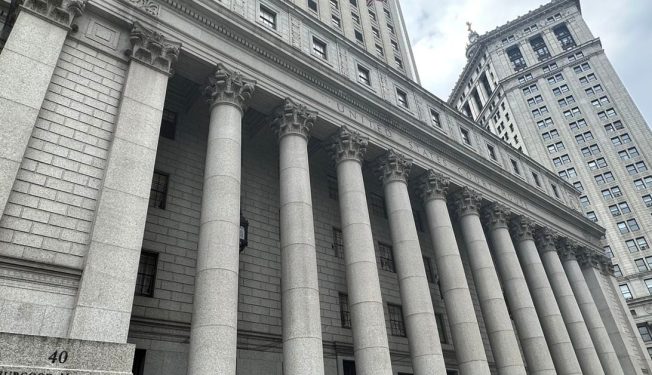
The U.S. Department of Justice rebuffed Roman Storm’s motion to dismiss criminal charges against him late Friday.

Co-founders Keonne Rodriguez and William Lonergan Hill are charged with money laundering related to the privacy-protecting wallet.
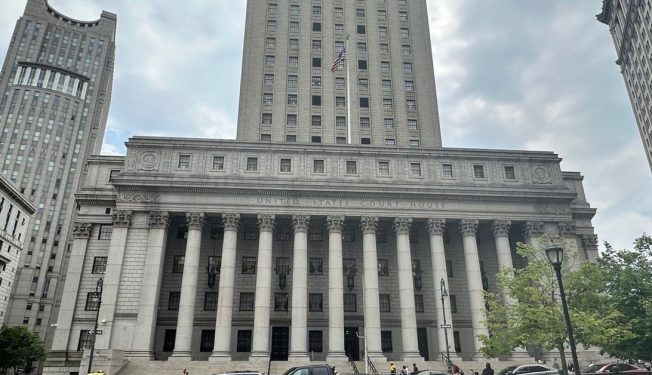
A Southern District of New York courthouse (Tracy Wang/CoinDesk archives)

The judge will deliver the verdict on May 14, the court said.