
Crypto for Advisors: Crypto and Politics in the U.S.
The combination of political support, institutional adoption and favorable economic policies sets the stage for a potentially significant upward trajectory.
Binary trading platforms with better performance and payouts
SEC
The combination of political support, institutional adoption and favorable economic policies sets the stage for a potentially significant upward trajectory.
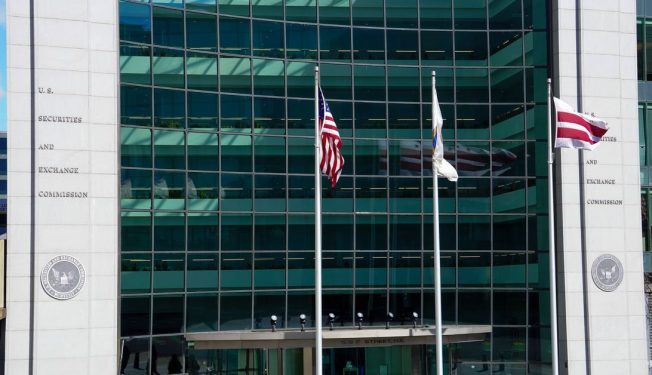
The SEC just gave final approval to ether ETFs. (Nikhilesh De/CoinDesk)
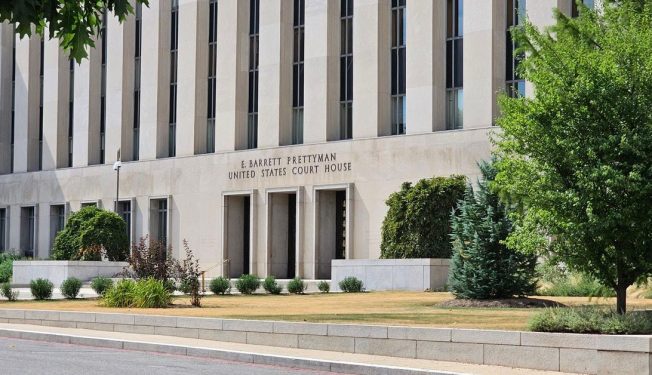
Last week, a federal judge convened a hearing for the U.S. Securities and Exchange Commission’s case against Binance after publishing her ruling on Binance’s motion to dismiss the SEC lawsuit.

The conclusion of the probe into the company formerly known as Blockstack, which raised $70 million via token sales from 2017 to 2019, is another win for the crypto industry in its years-long struggle with the regulator.
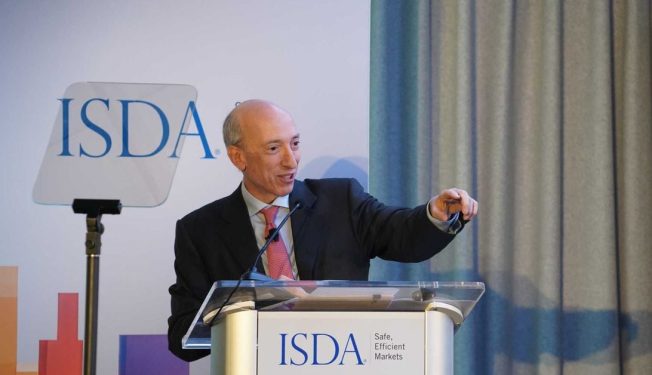
A federal judge encouraged Coinbase to drop – or at least substantially modify – its efforts to subpoena U.S. Securities and Exchange Commission (SEC) Chairman Gary Gensler’s personal communications during a hearing Thursday.
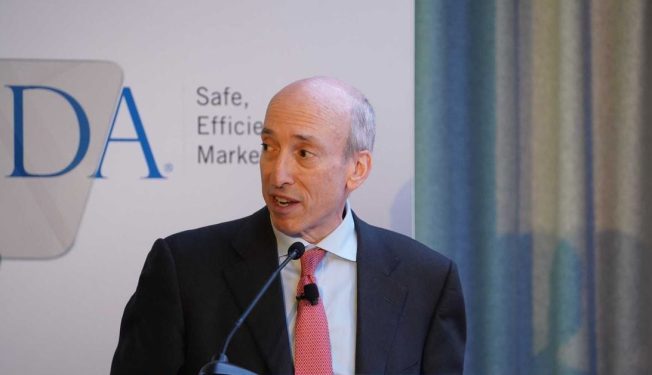
SEC Chair Gary Gensler (Nikhilesh De/CoinDesk)

There’s a lot of excitement over the possibility that a spot ether exchange-traded fund (ETF) may be around the corner. Here’s what still needs to happen before one may launch.
A federal judge overseeing the U.S. Securities and Exchange Commission’s case against Binance ruled that most of the case can proceed, but dismissed charges tied to the sale of BUSD and secondary sales of BNB.
The U.S. Securities and Exchange Commission filed a complaint against Silvergate Bank’s parent entity and its former executives on Monday.

The regulator’s refusal to listen to dissenting opinion on its new Dealer Rule left us no option but to sue for clarity and accountability, says Marisa Coppel, head of legal at the Blockchain Association.