
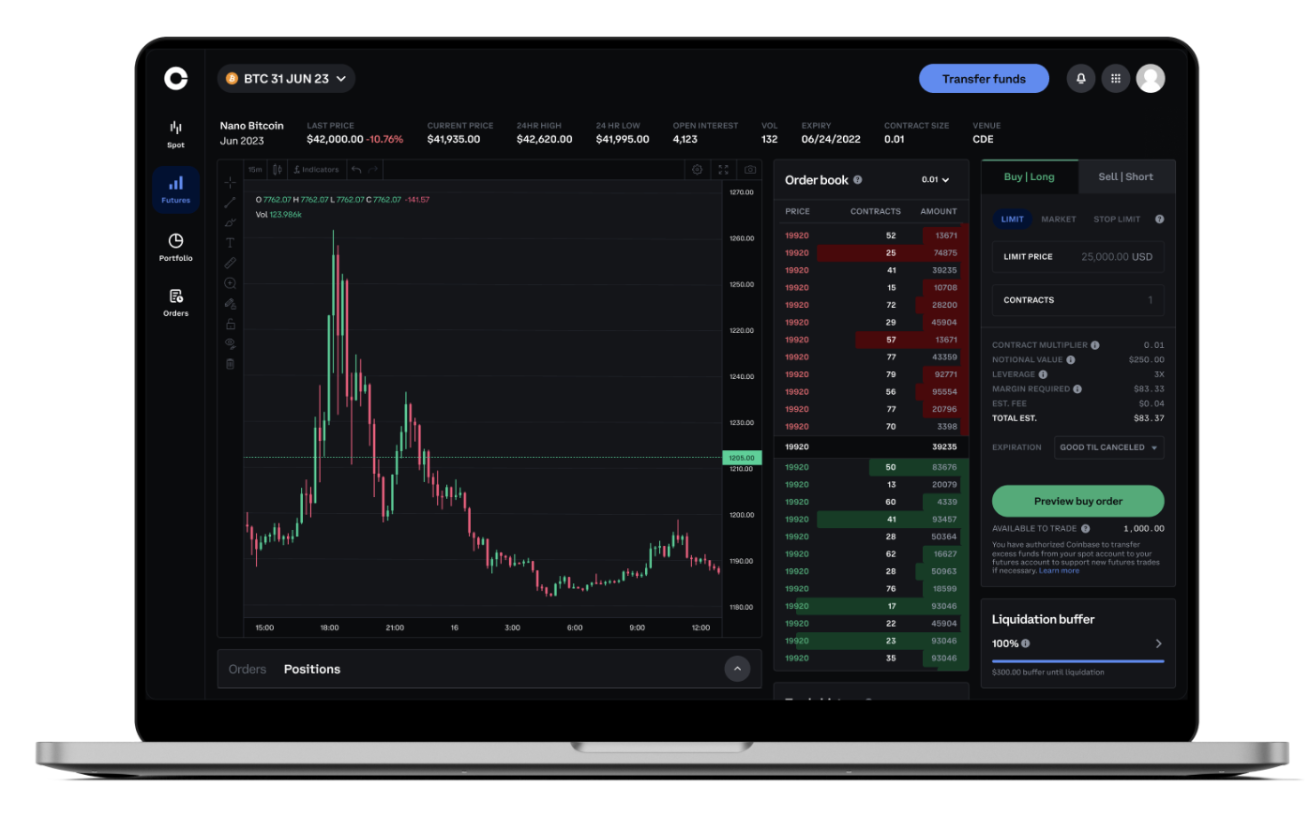
 The fee rate for platform listing depends on platform popularity. Exchange fees apply as either set rates or percentages that users incur for asset internal transfers. The trading system lets users seek loans for conducting bigger trades. Such fees deliver consistent cash flow in cryptocurrency exchange infrastructure operations. The interest paid from borrowed funds leads to additional revenue for a crypto exchange architecture. User quantity thus becoming a major revenue stream in crypto exchange architecture examples.

A hybrid crypto exchange framework functions as a CEX speed-enhanced DEX security platform. Modern exchanges select this architecture because it overcomes the shortcomings of both CEX and DEX trading platforms. Enables fast trade execution through built-in order-matching systems. Centralized crypto exchanges (CEX) dominated the market in 2024, with the top 15 platforms recording $18.83 trillion in spot trading volume a 134% increase from 2023, though still below the 2021 peak of $25.21 trillion. This trading mechanism supports no-custodial activities. CEXs continue to lead due to their liquidity, speed, and expanding compliance measures, even as competition and regulatory pressures reshape market shares. A well built crypto exchange architecture comprises several basic components that guarantees smooth trading, security, and liquidity.
Crypto Trading Fund Token
Smart Contract Audits: The automated system on decentralized exchanges performs transaction verification for security purposes. The structured implementation of a crypto exchange architecture provides trading operations with both security together with scalability and operational efficiency. A secure crypto exchange requires an architecture design that implements various security layers. One of the major benefits of crypto exchange development is that it empowers businesses to offer fast, secure, and transparent trading experiences to their users. DDoS Protection: The system protects trading operations from cyber threats that attempt to cause disruption. Users and administrators need to authenticate their identities by providing two separate methods of verification.
